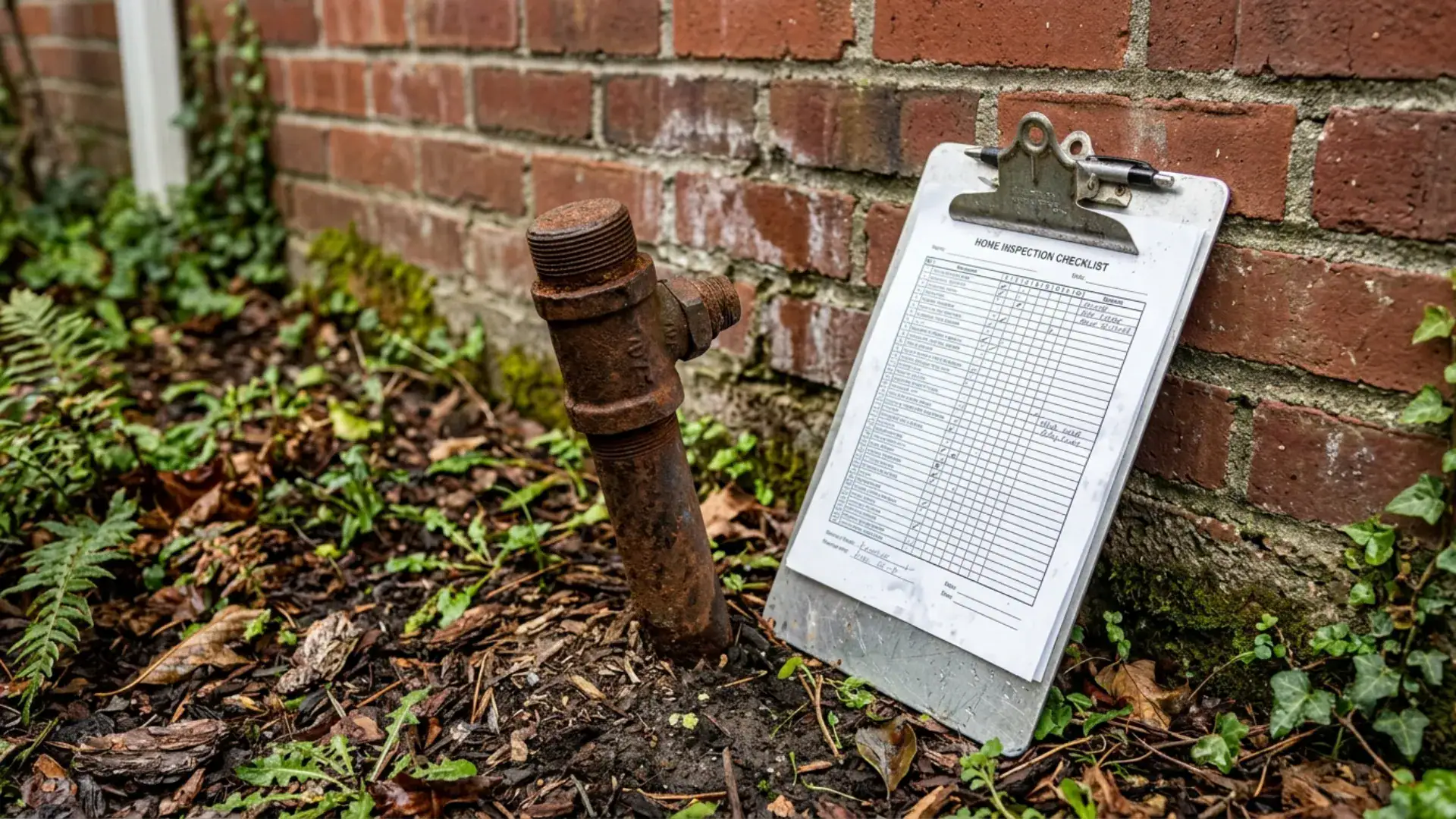
The inspection was going fine. Then the inspector pointed at a small pipe sticking out of the ground near the foundation and said, “That’s an oil fill. There may be a tank down there”. Suddenly the house you loved, or the sale you’d planned around, has an unknown attached to it.
A buried oil tank is common in older Seattle homes and is usually manageable. But a decommissioned tank isn’t proof that the soil is clean, and the contract decides who pays if it isn’t.
What a Buried Oil Tank Really Means for a Seattle Home Sale
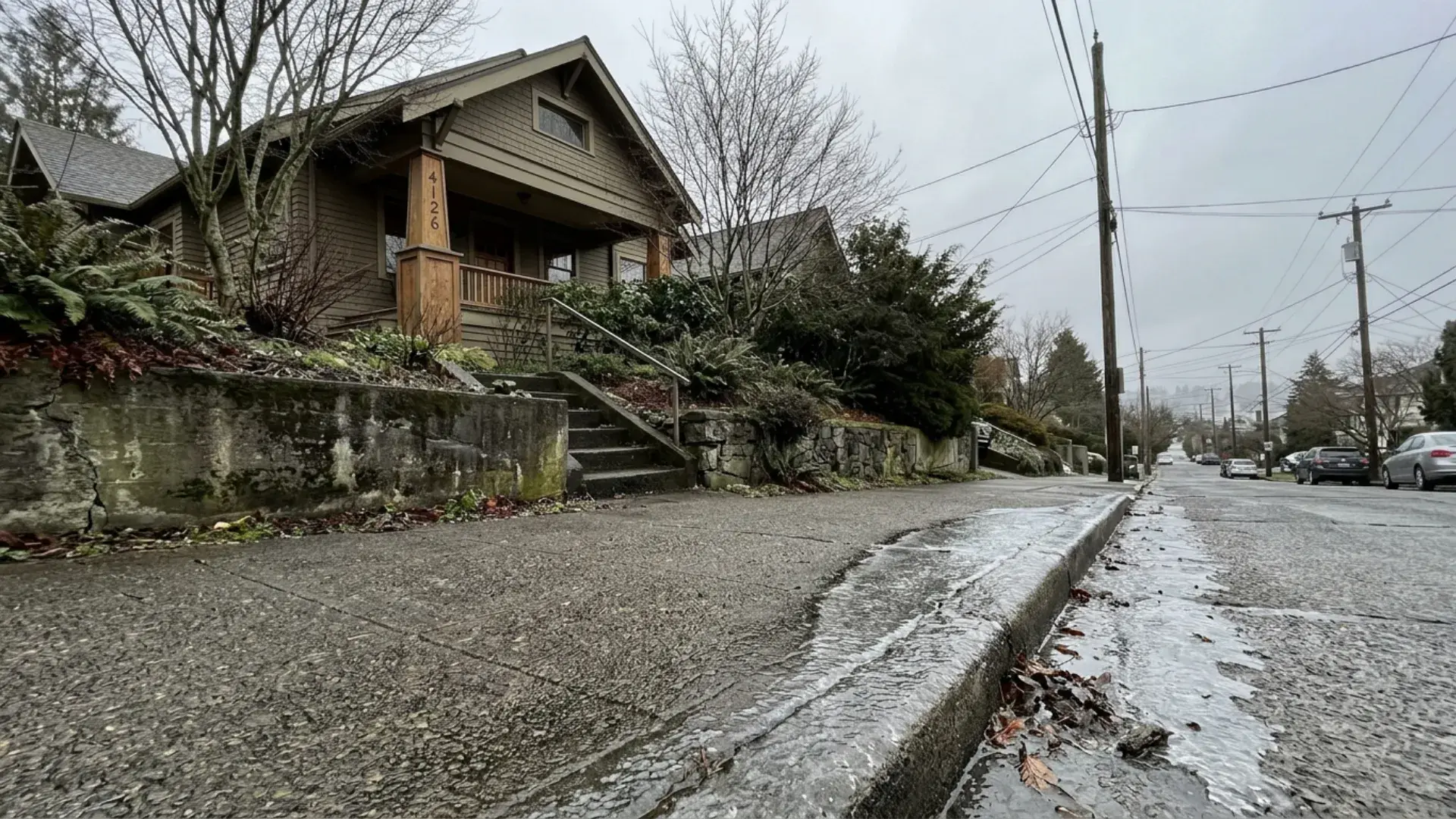
A huge share of Seattle homes built before the 1970s heated with oil at some point. Walk through Beacon Hill, West Seattle or Georgetown and you’ll see fill pipes and vent pipes on houses that switched to gas or electric decades ago. Most of those owners never thought about the tank again.
That’s the problem. A tank nobody thought about for 40 years is a tank nobody checked for 40 years.
Decommissioned Versus Clean: Why They Are Not the Same Thing
I studied environmental engineering before I went to law school, and this is the point I wish every buyer and seller understood.
Decommissioning is about the tank. It usually means the oil was pumped out and the tank was either removed or filled with an inert material like sand or foam and left in place. When it’s done properly, the tank itself stops being a risk.
Clean is about the soil. If that tank leaked before it was decommissioned, maybe years before, the oil may already be in the ground around it. A certificate that the tank was decommissioned says nothing about whether the soil was tested, or what the results were.
So when a seller hands you a decommissioning certificate and says “it’s handled,” the honest response is, “Okay, but was the soil tested, and can I see the results?”
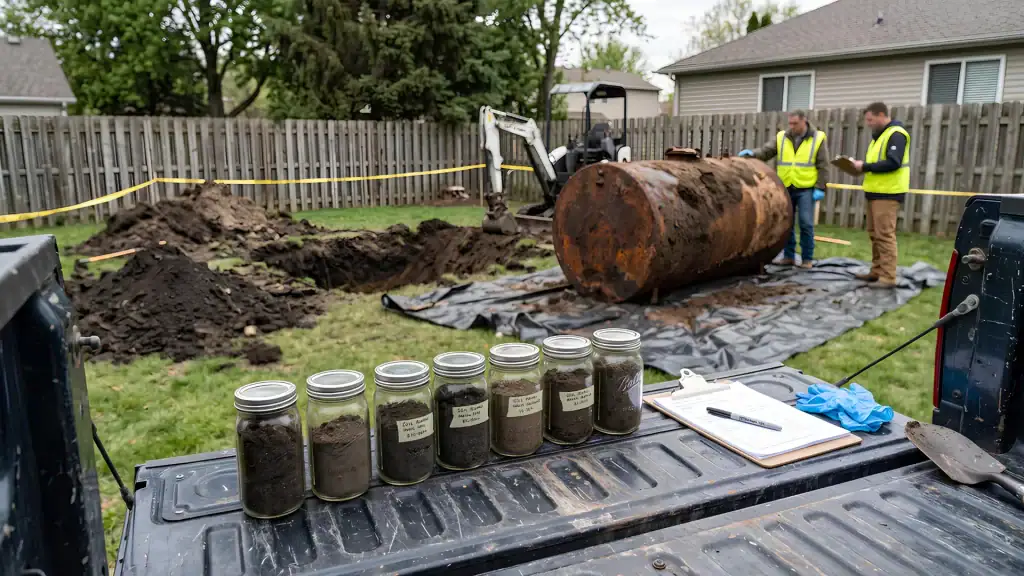
Soil testing isn’t mysterious. A contractor takes samples from the ground around and below the tank, and a lab checks them for petroleum. The results get compared to Washington’s cleanup standards. If the numbers come back under those levels, you’re in good shape. If they don’t, you know you’re dealing with a cleanup, and you know it before you own it. That’s the whole point. You want the bad news while you can still negotiate.
Records You Can Check Before You Negotiate
You don’t have to guess about everything. In Seattle, decommissioning work generally goes through the fire department, which keeps records by address. Ask the seller for any paperwork, then check whether the city has a record that matches.
When you ask the seller for paperwork, be specific. Ask for the decommissioning report, the name of the contractor who did the work, the date it was done, any soil sample results, and whether the tank was ever registered with the state’s heating oil insurance program. “We think the previous owner took care of it” isn’t an answer. It’s a guess.
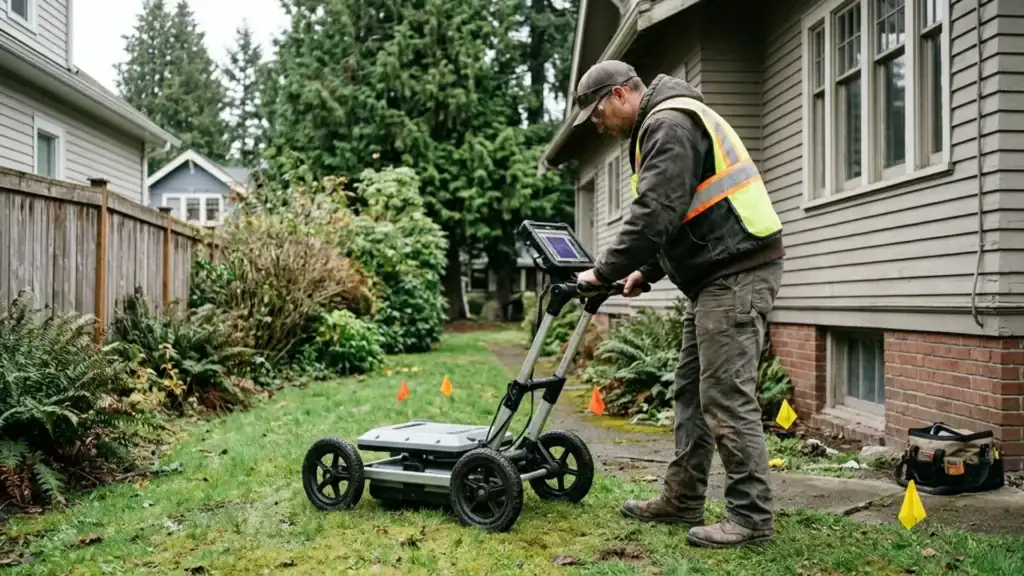
It’s also worth asking a tank locating company to scan the yard. Some older homes had more than one tank, and I’ve seen cases where an above ground tank was in use while an older buried one sat forgotten in the side yard. If there was ever an oil furnace, assume there might be a tank until someone proves there isn’t.
Who Pays for an Oil Tank in a Washington Real Estate Deal?
There’s no automatic rule that says the seller always pays or the buyer always pays. It’s negotiated. And the way it’s negotiated decides who carries the risk after closing.
Seller Disclosure Duties on Form 17
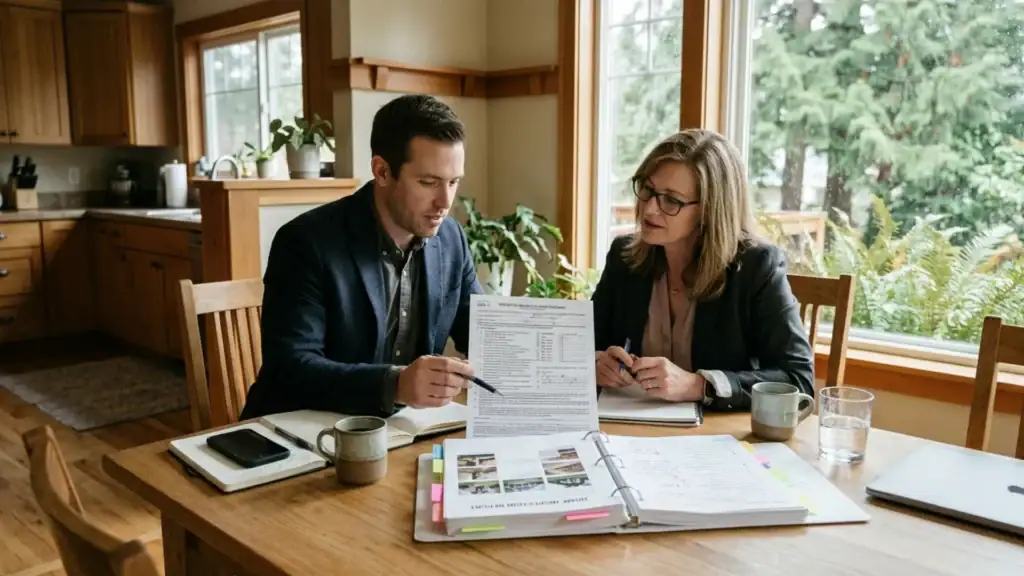
Washington requires most residential sellers to fill out a disclosure statement, called Form 17, and it asks about environmental issues including storage tanks. If a seller knows about a tank, they have to say so.
Here’s why that matters to sellers: honest disclosure protects you. A seller who discloses a tank and what they know about its condition is in a much stronger position later than a seller who checks “no” and hopes nobody digs. And to buyers: if you find a tank the seller clearly knew about but didn’t disclose, that can give you options even after closing.
This is also where sellers of inherited homes get caught. If you’re selling your parents’ house in Beacon Hill or Georgetown, you may honestly have no idea whether there’s a tank. That’s fine, as long as your disclosure says so. Then consider a quick tank scan before listing. It costs far less than a deal collapsing three weeks into escrow because a buyer’s inspector found a fill pipe nobody mentioned.
Sellers, if you’re not sure whether there’s a tank, say that. “Unknown” is better than a confident “no” you can’t back up.
Credits, Price Cuts and Seller Cleanup: Which Protects You Most
When a tank turns up, deals usually go one of three ways.
The seller decommissions the tank, and sometimes tests the soil, before closing. This is often the cleanest option for a buyer, as long as the work is done by a licensed contractor and the soil results come back in writing before you close.
The seller gives a credit at closing and the buyer handles it after. This is popular because it keeps the deal moving. But here’s the catch I always point out. A credit is a fixed number. If the tank is clean, great. If the soil is contaminated, the cleanup could cost far more than the credit, and now that’s your problem.
The parties cut the price. Same issue as a credit. You’ve traded an unknown risk for a known discount, and that only works if the discount is big enough.
Timing matters here too. Most Seattle purchase agreements give the buyer a limited inspection window. If a tank turns up on day four of a ten day window, there may not be time to scan the yard, pull samples and get lab results back. That’s when an addendum that extends the deadline, or makes the deal depend on clean soil results, is worth its weight in gold. Don’t let the calendar push you into a decision you’d never make with the facts in hand.
Which is best depends on whether the soil has been tested. My honest opinion? Don’t agree to a credit or price cut on an untested tank unless the contract also says what happens if contamination shows up later.
What Happens if Contamination Shows Up After Closing
Most tanks turn out fine. But you need to know what happens if yours doesn’t.
When a Leak Has Spread to a Neighbor’s Lot
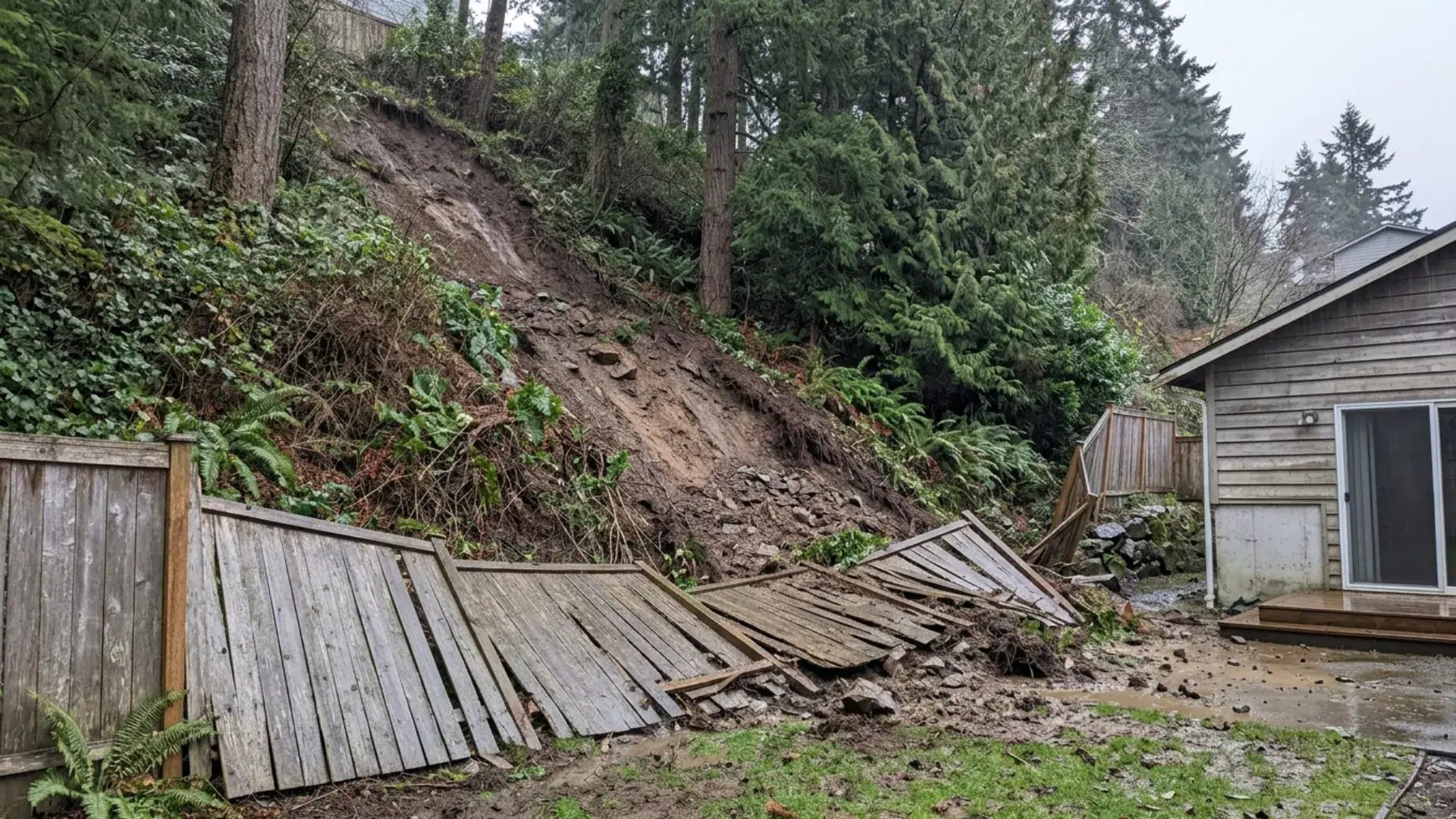
Oil doesn’t respect property lines. If a leak has moved into the soil next door, or toward groundwater, the situation shifts from a home repair to an environmental cleanup with reporting requirements. Washington’s Department of Ecology oversees cleanups under the state’s environmental cleanup law, and the current owner is usually the first person expected to deal with it.
That’s the part that surprises buyers most. Buying a house can mean buying its environmental history.
A properly handled cleanup ends with paperwork that shows the site meets state standards. That document matters. It’s what you’ll hand to your own buyer someday, and it’s what tells a lender the problem is closed. A cleanup without that final sign off can leave a cloud over the property even after the dirt is hauled away.
Washington’s Pollution Liability Insurance Agency runs a heating oil program that has helped many homeowners with qualifying leaks from registered tanks. It’s worth checking whether a tank is or was enrolled, and what the program covers today, before you count on it.
Your Options Against a Seller Who Knew
If you discover contamination after closing and the seller knew about the tank, or knew it had leaked, and didn’t disclose it, you may have a claim. These cases turn on what the seller actually knew, what Form 17 said, and what your purchase agreement allowed you to inspect.
That’s why the contract language before closing matters so much more than the lawsuit after. A good tank addendum can spell out who tests, who pays, what happens if results come back bad, and whether either side can walk away. It’s a short document that can save a very expensive argument. If you’re in the middle of a deal, my post on the legal steps buyers and sellers skip in West Seattle covers the rest of the paperwork worth a second look.
Get the Soil Facts on Paper Before the House Is Yours
Oil tanks scare people because they’re hidden and nobody knows the number. But the fear is usually worse than the facts. Most tanks are just old metal in the ground, and once you know whether the soil is clean, the decision gets simple. The trouble only starts when a deal closes on assumptions: assuming decommissioned means clean, or assuming a credit covers everything. So before you sign the addendum or accept that credit, get the facts on paper. That’s a much easier conversation now than after the house is yours.
If you’re buying or selling a home in Seattle, West Seattle, Beacon Hill or the surrounding area and a tank has turned up, contact me or call 253-424-4750. I can review the tank paperwork, the soil results and your contract language, often within a day. Learn more about my environmental law and real estate law work.