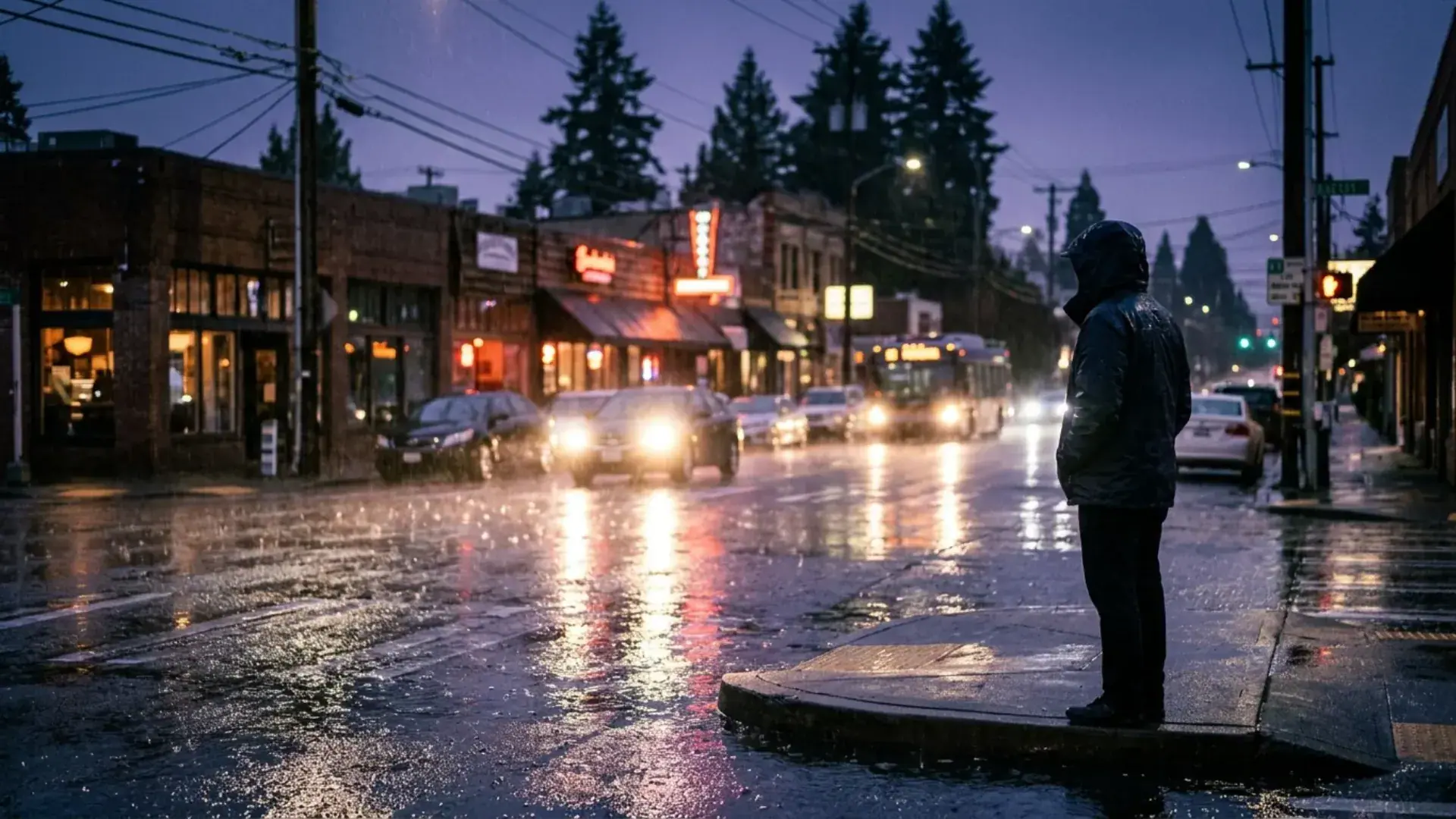
It was barely 5:30, but it was already pitch black and raining sideways on Delridge. You stepped off the curb, and the next thing you remember is the hood of a car. A few days later the driver’s insurance adjuster calls, sounding friendly, and asks what you were wearing. That question isn’t small talk.
But walking at night doesn’t cancel your claim in Washington. But it does give the insurer an argument, and you need to know how to answer it.
Does Walking at Night Hurt Your Pedestrian Claim in Washington?
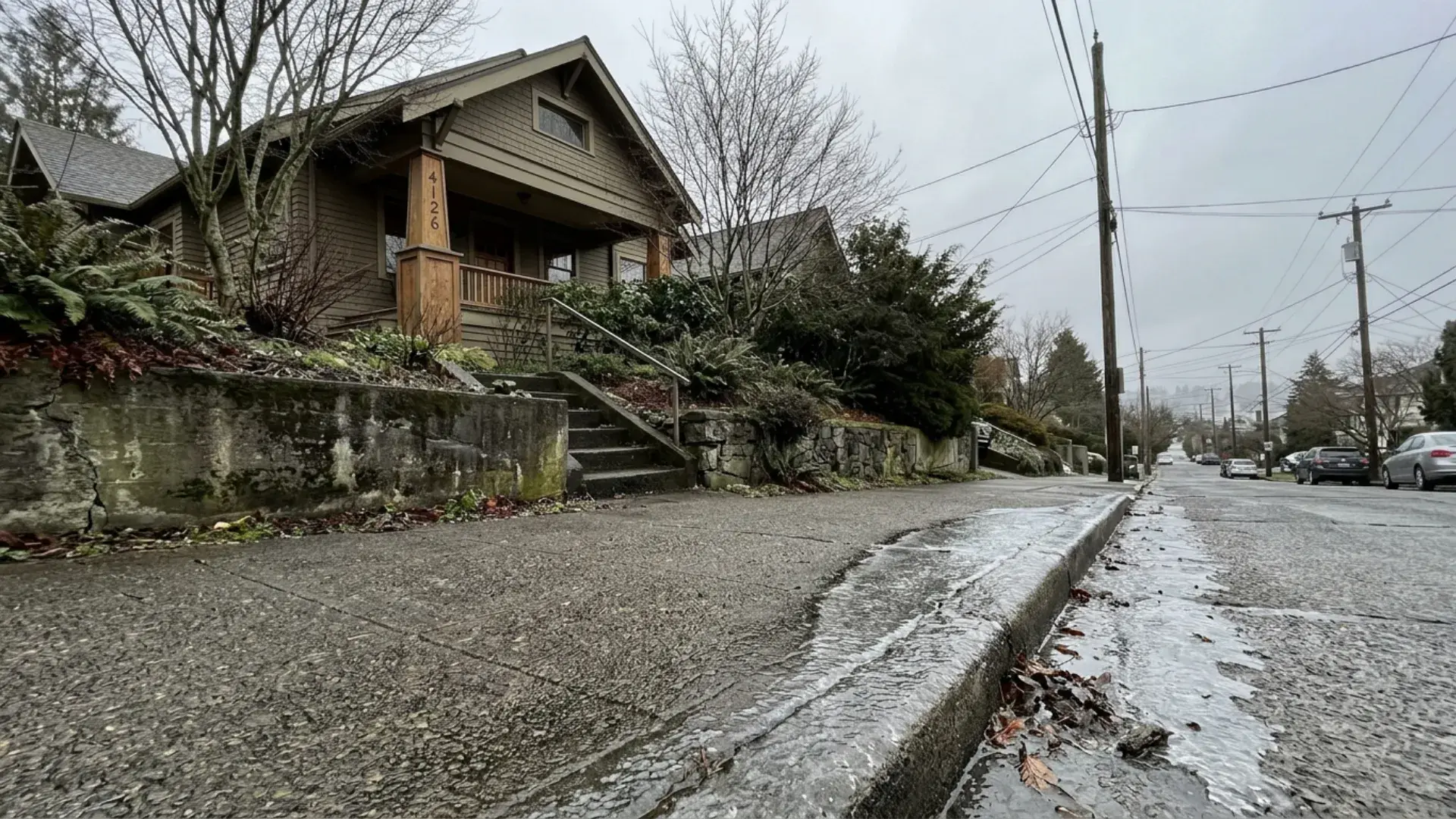
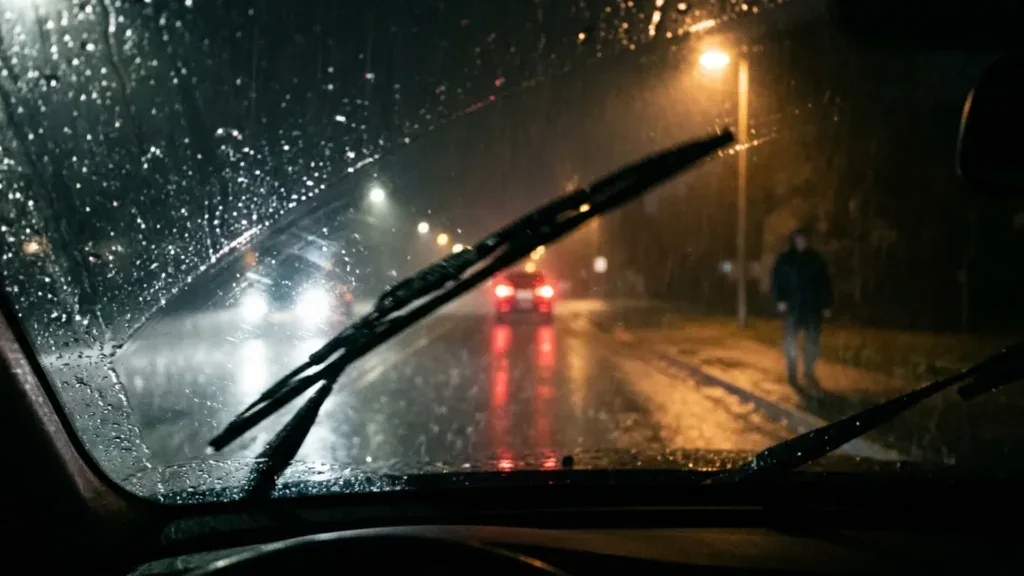
West Seattle in December and January is dark by late afternoon, wet most days, and full of commuters in a hurry. The headlights reflect off wet pavement, wipers are going, and people in dark rain jackets blend right into the background. Insurers know all of this. And they’ll use it.
How Comparative Fault Works When You Were Hard to See
Washington follows a rule called pure comparative fault. It means fault can be divided between everyone involved, and your recovery is reduced by your share. It doesn’t disappear.
Here’s a simple example. Say your total damages, medical bills, lost wages, pain, come to $100,000. If a jury decides you were 20 percent at fault for crossing where you did in dark clothing, you’d recover $80,000. Even if you were found more at fault than the driver, you could still recover something under Washington’s rule.
So when an adjuster hints that it was “your fault for walking in the dark,” what they’re really doing is negotiating a percentage. And percentages can be argued.
The arguments tend to repeat. You were wearing dark clothes. You were looking at your phone. You crossed mid block instead of at the corner. You stepped out from between parked cars. You’d had a drink with dinner. Some of those may be partly true. That’s okay. A small share of fault on your side doesn’t erase a driver who was speeding, distracted, or simply not looking. The fight is over how big each share is, and that’s decided by evidence, not by whoever sounds most confident on the phone.
Why Drivers Must Drive for Dark, Wet Seattle Conditions Too
This is the part insurers leave out. Darkness and rain don’t only put duties on pedestrians. They put duties on drivers too.
A driver in Washington has to use reasonable care for the conditions. That means slowing down when visibility is poor, keeping headlights on and working, keeping their eyes on the road instead of their phone, and watching for people at intersections and bus stops. A driver who’s going the speed limit on a rainy night when nobody could see 50 feet ahead may not be driving reasonably at all.
Turning drivers are a big part of this. A lot of pedestrian crashes happen when a driver turns at an intersection, looks left for a gap in traffic, and never looks right at the crosswalk they’re about to drive through. In the dark, with rain on the windshield, that habit is even more dangerous. Bus stops are another hot spot. People step off a bus, walk around the front of it, and a driver passing the stopped bus never slows down.
So the question isn’t only “could the driver see you?” It’s “should a careful driver have been going slowly enough and paying close enough attention to see you?” That’s a very different question, and it often shifts fault back toward the driver.
Proving the Driver Should Have Seen You on a West Seattle Street
This is where pedestrian cases are won or lost. And most of the evidence has a short shelf life.
Street Lighting, Speed and Headlight Evidence
Start with where it happened. Was there a streetlight on that corner, and was it working? Was it a marked crosswalk or an intersection without paint?
Here’s something that surprises a lot of people. In Washington, most intersections have crosswalks even when there are no painted lines. The law treats the extension of the sidewalk across the road at an intersection as an unmarked crosswalk. So if you crossed at the corner of California Ave SW and a side street with no paint, you may well have been in a legal crosswalk, and drivers had to yield.
Get the police report number if officers came to the scene, and read the report as soon as it’s available. Reports sometimes include the driver’s first explanation, which can be very different from what they say a month later. “I didn’t see her until the last second” is a statement worth having in writing. If no officer came, write your own account while it’s fresh: where you started crossing, which way you looked, where the car came from, and what the driver said afterward.
Then look at the driver. How fast were they going? Were their headlights on, and were both working? Were they turning, and looking left for cars instead of right for people? Phone records, vehicle data and damage patterns on the car can all help tell that story.
Finding Bus, Business and Doorbell Video Before It Is Erased
This is my biggest piece of practical advice. Video disappears fast.
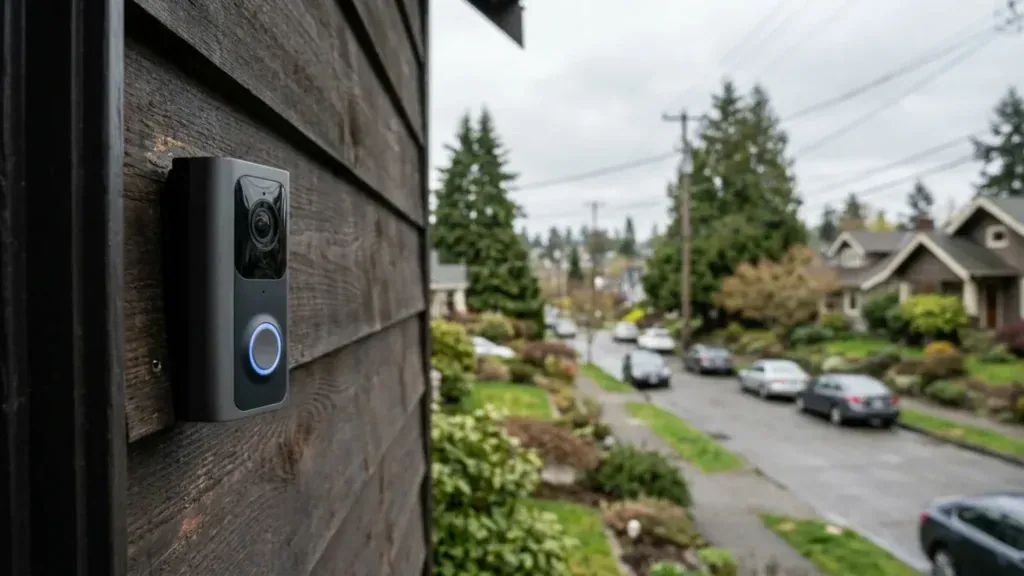
King County Metro buses have cameras. Businesses along Delridge, California Ave, 35th Ave SW and around White Center have security cameras. And these days half the houses on any block have doorbell cameras pointed at the street. Most of these systems record over themselves within days or weeks.
If someone can walk the area in the first few days and politely ask nearby homes and businesses to save footage from that time, do it. Write down which buildings have cameras, even if they say no. A formal request can come later, but only if the footage still exists.
Video is often the single piece of evidence that ends the “you came out of nowhere” argument. My post on what evidence strengthens a personal injury case in West Seattle covers the rest of what’s worth gathering.
Who Pays Your Medical Bills After a Pedestrian Accident in Seattle?
The medical bills start arriving long before any claim settles. So let’s talk about who pays what, and when.
Using Your Own PIP Coverage Even Though You Were Walking
A lot of people don’t know this. Personal injury protection, or PIP, on your own auto policy can cover you when you’re hit by a car as a pedestrian. You weren’t driving, but you’re still an insured person under your own policy.
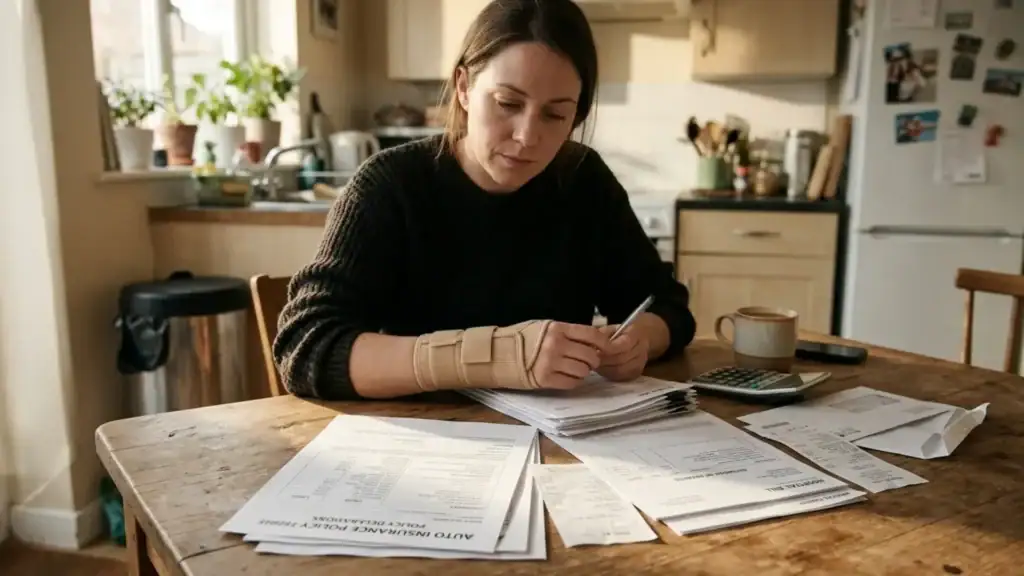
PIP can help with medical bills and some lost wages early on, regardless of fault. That buys you breathing room while the bigger claim against the driver gets sorted out. If you don’t own a car, you may still be covered through a household member’s policy. Check the declarations page or call and ask specifically about PIP for pedestrians.
There’s another coverage people forget: underinsured motorist coverage, often called UIM. If the driver who hit you carries only the state minimum, or drives off without stopping, your own UIM coverage may step in for the part of your losses their insurance can’t cover. Serious pedestrian injuries can blow past minimum policy limits quickly, so it’s worth knowing what you have before you need it.
Handling the Driver’s Insurer Without Giving Away Fault
The driver’s insurance company will probably call you early. They may be polite and even sympathetic. But their job is to pay as little as possible, and one of the easiest ways to do that is to get you to agree you were partly to blame.
You don’t have to give a recorded statement to the other driver’s insurer. You don’t have to guess about your speed crossing, what you were wearing, or whether you looked both ways. “I’d rather not discuss fault right now” is a complete answer.
Be careful online too. A photo of you at a holiday party two weeks after the crash, smiling, can get used to argue you weren’t really hurt. You don’t need to delete anything, but it’s smart to stop posting about your recovery until the claim is resolved.
And don’t rush into a settlement. Some injuries from pedestrian crashes, head injuries, back injuries, knee damage, get worse over weeks, not days. Once you sign a release, that’s usually it. If you’re wondering how long these things take, I wrote about how long personal injury cases take in West Seattle.
Walking in the Dark Isn’t a Verdict on Your Claim
Being hit while walking is frightening, and the blame games that follow can make it feel worse. But the darkness isn’t a verdict. It’s just one fact, and it cuts both ways: if you were hard to see, the driver should have been slowing down and paying closer attention. What decides these cases is the evidence: the lighting, the crosswalk, the speed, the video. Most of that is still out there right after a crash and gone a few weeks later. So before you answer one more question from an adjuster, it’s worth getting someone in your corner who knows how these arguments go.
If you were hit by a car while walking in West Seattle, White Center, Burien or anywhere in the Seattle area, contact me directly or call 253-424-4750. I personally review every injury inquiry and will guide you toward the representation that fits your situation. You can learn more about my personal injury work here.